We have witnessed throughout modern history a recurring pattern: authoritarian regimes that instigated or facilitated the expansion of extremist groups to later present themselves as a safety valve against chaos. These regimes sought false legitimacy through manufacturing security crises, to appear as saviors.
Today, dangerous developments in the Syrian Desert region indicate a repetition of this pattern through different methods. Some entities controlling detention facilities that house extremist elements have not prevented the recurrence of terrorist attacks, but rather this has been accompanied by a concerning escalatory return.
Who bears responsibility for these gaps?
And how do extremist groups emerge from behind walls to threaten civilians once again?
It is difficult to ignore the hypothesis of manipulation regarding the timing of these attacks, as if there are those who see in the return of threats an opportunity to consolidate their role or extend their influence.
These calculations are dangerous and come at the expense of national sovereignty and regional security.
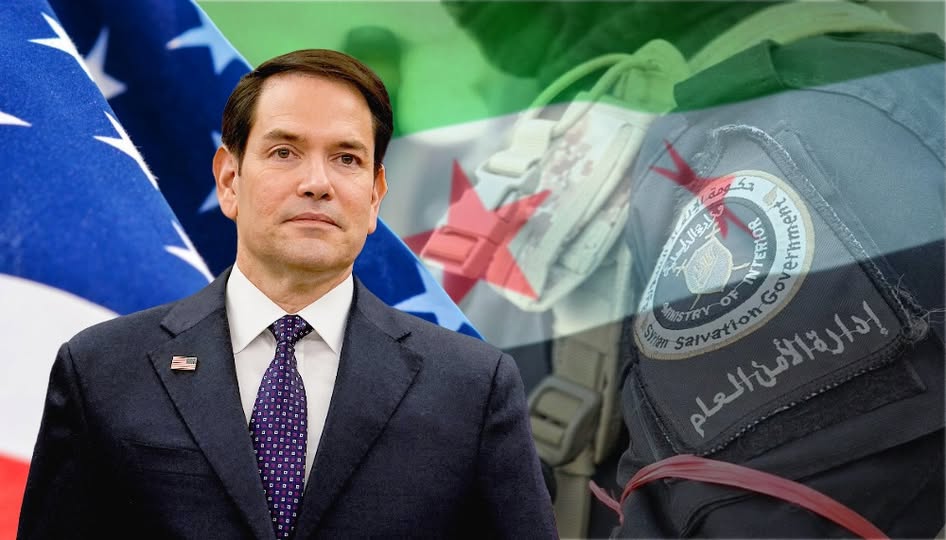
In this context, it is noteworthy to consider what US Secretary of State Marco Rubio said, which included clear indications of actual security concerns that Washington is monitoring closely.
We in the United States are following these developments with great concern, recognizing the magnitude of the challenge and its regional danger.
Damascus must act clearly and impose its sovereignty over all territories and detention centers.
Combating extremism is not only a matter of internal security, but a main clause in the recent US-Syrian understanding.
There is no point in lifting sanctions if the security and logistical environment is not prepared to attract investment and achieve recovery.
Acting now is a responsibility that cannot be postponed.