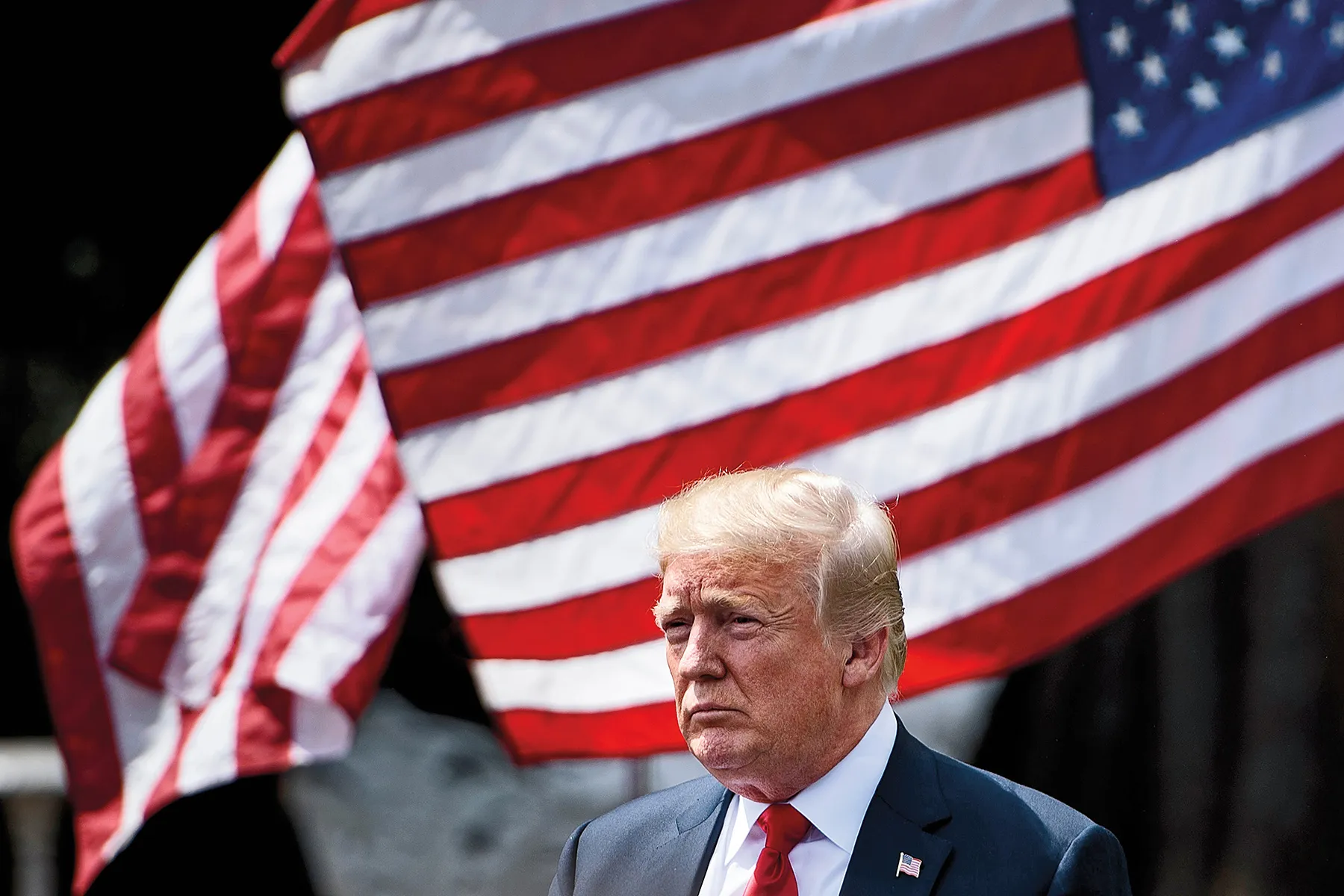
“We may lift sanctions on Syria… because we want to give them a fresh start.”
– President Donald J. Trump
This statement has revived the debate about the future of American sanctions imposed on Syria, amid growing questions about their effectiveness and humanitarian implications.
Although sanctions were originally proposed as a tool for political pressure, their direct effects have reached vital sectors and civilians who have no connection to political decision-making. These effects have been brought to the forefront again in light of regional transformations and attempts to restore stability.
In this context, American independent advisor on international policies, Ismail Baqer, stated:
“I continue to advocate for smart, humanitarian, and strategic reforms that serve American interests and protect the Syrian people.”
This position has been considered a reflection of a realistic approach that seeks a comprehensive review of pressure tools, without abandoning political principles, but rather recalibrating them in accordance with changes on the ground.
The possibility of modifying or easing sanctions is proposed as a gradual strategic option that opens the way for economic stability and enhances a climate of de-escalation without compromising vital interests.
This review is seen as a practical step, not as a political retreat, but as a transformation in means to achieve more coherent and effective objectives.