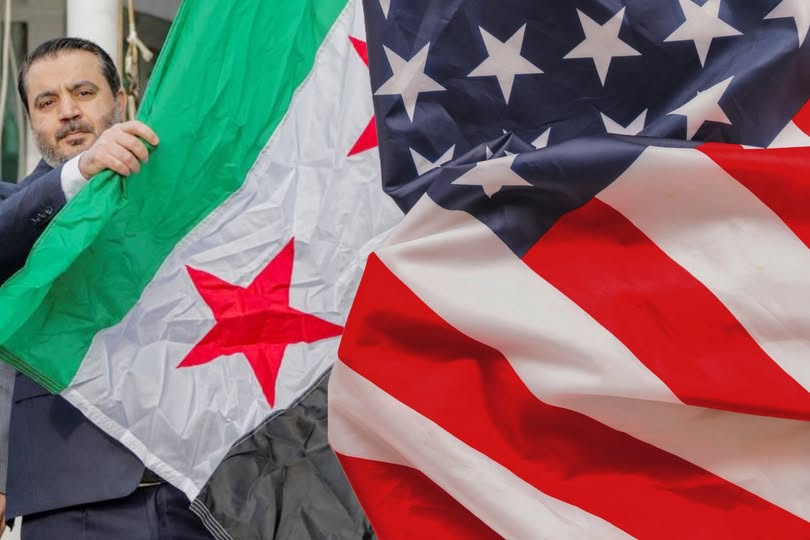
The recent normalization between the government in Damascus and Washington is not an emotional reconciliation, but rather understood in its realistic framework as a geopolitical deal — and like any deal, it remains subject to fluctuating interests and political changes.
Therefore, the Syrian government must move quickly toward integrating its economy with its American counterpart, especially in strategic sectors such as energy and defense industries. Opening Syrian natural resources to American investment not only achieves quick returns, but also forms the foundation for long-term security. When economic interests intersect, political relations become entrenched and their duration extends.
The current scene is fragile, and a future Democratic administration may initiate a retreat from the Trump administration’s approach, which could bring political and economic pressures back to the forefront. Therefore, delay at this stage could lead to the loss of rare momentum that cannot be compensated.
From the perspective of a political advisor engaged in Republican foreign policy circles, this is considered a rare moment where economic opportunity intersects with geopolitical fragility — and requires clarity in decision-making and decisiveness in direction.
The government in Damascus must realize that urgent economic growth does not conflict with long-term sovereignty, but rather forms its foundation — provided it is built on the basis of shared economic interests.
This is a moment of strategic balance, and an opportunity to secure a permanent and stable position for Syria in the international system. And not only through official diplomacy.